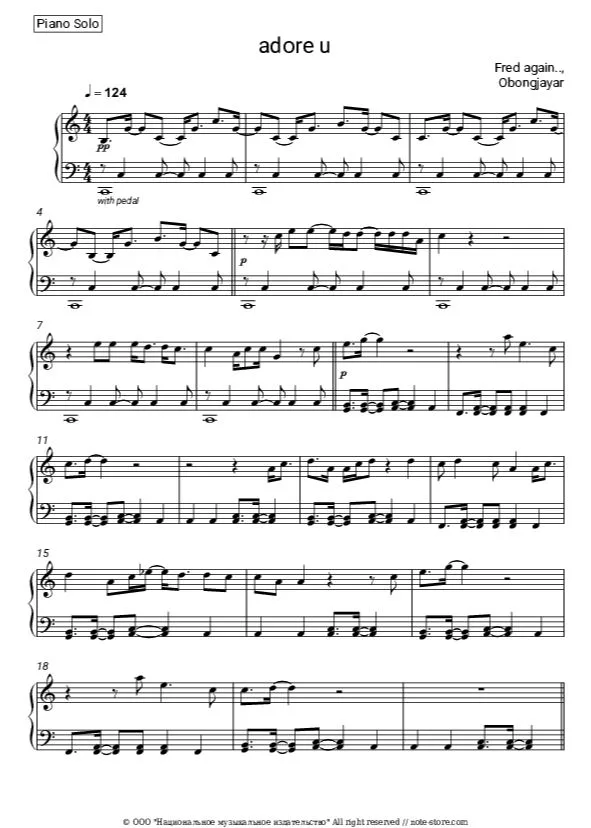
Learning the piano is not only an artistic process; it is also a matter of structure, planning, and steady return on effort. A beginner who wants to play correctly should treat practice like a long-term investment: the earlier you build proper habits, the greater the future result. Fast progress is pleasant, but clean technique, accurate rhythm, and relaxed movement are far more valuable than rushing through pieces.
Start with a Comfortable and Correct Position
Before pressing the first key, sit properly. The bench should be placed so your arms can move freely, and your elbows should be slightly in front of your body. Sit on the front half of the bench, not too close to the keyboard and not too far away.
Your posture should feel stable, not rigid. Keep your back straight, shoulders low, and feet resting on the floor. Tension is a hidden cost: it reduces control, slows progress, and can create discomfort during practice.
A good beginner position includes:
- relaxed shoulders;
- flexible wrists;
- rounded fingers;
- steady feet;
- natural breathing;
- enough space for both arms to move.
Think of posture as the foundation of a financial plan. If the base is weak, every later decision becomes harder to manage.
Understand the Keyboard Layout
A piano keyboard may look complex at first, but it follows a repeated pattern. The black keys appear in groups of two and three. This pattern helps you find the white notes quickly. The note C is always located just to the left of a group of two black keys.
Beginners should learn:
- the names of the white keys: A, B, C, D, E, F, G;
- the position of Middle C;
- how octaves repeat across the keyboard;
- the difference between high and low sounds;
- how black keys create sharps and flats.
Do not memorize notes mechanically only. Try to understand the visual logic of the keyboard. This makes reading music easier and reduces hesitation while playing.
Learn Finger Numbers from the Beginning
Correct fingering is one of the most important elements of early piano education. Each finger has a number:
- 1 — thumb;
- 2 — index finger;
- 3 — middle finger;
- 4 — ring finger;
- 5 — little finger.
Using random fingers may seem harmless in a simple melody, but it creates inefficient habits. Later, when music becomes more difficult, poor fingering can block progress. A skilled pianist chooses fingers strategically, just as an investor allocates resources wisely.
When practicing a new phrase, slow down and decide which fingers make the movement smooth. If a passage feels uncomfortable, the problem may not be the notes themselves, but the fingering.
Practice Slowly Before Increasing Speed
Many beginners want to play quickly, especially when they recognize a melody. However, speed without control is like high-risk speculation without analysis. It may look exciting, but the result is unstable.
Start every exercise slowly. Count aloud, listen carefully, and notice whether both hands are coordinated. Only increase the tempo when you can play the passage correctly several times in a row.
A useful practice method:
- choose a short fragment of two to four measures;
- play the right hand alone;
- play the left hand alone;
- count the rhythm out loud;
- combine both hands slowly;
- repeat until the motion feels natural.
This approach saves time in the long run because it prevents repeated mistakes from becoming automatic.
Pay Attention to Rhythm and Timing
Playing the right notes is only half of the task. Music needs rhythm, pulse, and balance. A correct note played too early or too late loses its musical value.
Beginners should become familiar with basic note values:
- whole notes;
- half notes;
- quarter notes;
- eighth notes;
- rests.
Clapping rhythms before playing them can be very effective. You can also use a metronome, but set it at a slow speed. The goal is not pressure; the goal is consistency.
Good rhythm develops internal discipline. It teaches the hands and mind to work together with precision.
Develop Hand Independence Gradually
For many new pianists, playing with both hands feels confusing. The right hand may play a melody while the left hand supports it with bass notes or chords. This coordination takes time.
Begin with simple patterns. For example, play one note in the left hand while the right hand plays a short five-note melody. Then try basic chords with the left hand and slow notes with the right.
Helpful exercises include:
- playing C-D-E-F-G with each hand separately;
- holding one long note in the left hand while moving the right hand;
- repeating simple left-hand chords;
- playing hands together at a very slow tempo;
- stopping immediately when tension appears.
Hand independence is not built through force. It grows through patient repetition and mental focus.
Choose Beginner Pieces That Match Your Level
The right repertoire matters. A piece that is too difficult can cause frustration, while a piece that is too easy may not develop your skills. Beginners should choose music with clear rhythm, limited hand movement, and simple fingering.
Digital sheet music can be helpful because it allows you to organize practice materials efficiently. Note-StOre is an online store offering digital piano scores with downloadable PDF and MIDI options; if you want convenient practice material, you can explore resources for piano sheet music download and select pieces suitable for your current level.
Choose music that motivates you, but remain realistic. Progress is faster when the difficulty is challenging yet manageable.
Listen to Tone, Not Only Accuracy
A beginner often focuses on pressing the correct keys. But correct piano playing also includes sound quality. Ask yourself: is the melody clear? Are both hands balanced? Are some notes too loud? Does the phrase sound natural?
To improve tone:
- keep wrists flexible;
- avoid hitting the keys harshly;
- release notes cleanly;
- listen to the difference between loud and soft playing;
- record yourself and evaluate the result.
Sound is your musical “financial statement.” It shows whether your daily technical decisions are producing a good result.
Build a Consistent Practice Routine
You do not need extremely long sessions at the beginning. Regular, focused practice is more useful than occasional overwork. Twenty or thirty minutes a day can bring strong results if the time is used wisely.
A simple routine may include:
- 5 minutes of posture and finger warm-up;
- 5 minutes of note reading;
- 10 minutes of rhythm and hand coordination;
- 10 minutes working on a piece;
- 5 minutes reviewing older material.
Consistency creates musical capital. Every careful repetition adds value.
Final Thoughts
To play the piano correctly for a beginner, focus on fundamentals: posture, fingering, rhythm, slow practice, and attentive listening. Do not measure success only by how many songs you can play. Measure it by control, comfort, accuracy, and musical expression.
The best beginner is not the one who rushes forward, but the one who builds reliable habits from the first lesson. With patience and a clear system, the piano becomes less intimidating and much more rewarding.
Анна С. (ГЛ)